Security Lighting Setup Orange County: Safer Nights Ahead
Orange County areas wear their character after dark. A Mission Viejo cul-de-sac glows with modest deck lights and peaceful sidewalks. A Newport seaside home battles marine fog that turns every shadow thick. A small company park in Anaheim keeps shipments moving late, but wants calm nights without severe glare spilling over the home line. Excellent security lighting connects those dots. It feels safe without being theatrical, intense where you need it, muted where you do not. Getting there takes more than purchasing a box of motion floods. It is a strategy, a few wise product choices, and a licensed electrician who knows regional code and soil along with lumens and sensors.

I have strolled numerous backyards and filling docks around the county and can inform you the recurring stories. A dark side backyard that invites burglars. A driveway light that sets off every time a palm frond sways. A wall pack that blinds a camera, leaving a perfect white flower and no helpful footage. Security lighting is not an item, it is an arrangement. When it is right, you stop thinking about it. When it is wrong, you think of it every night.
What "security lighting" truly means
The term gets thrown around loosely. In practice, security lighting does three different tasks. It hinders, it exposes, and it guides.
Deterrence originates from foreseeable, even illumination around most likely access points. A lot of intruders do not wish to be lit up while approaching a door, hopping a fence, or loitering by a window. Revelation is about how the light records in a human eye and on a cam sensor. Faces, plates, clothing colors. Directing is for you, your family, or your staff members. Actions, edges, gates, hoses throughout the course, the raised lip at the garage. Excellent security lighting smooths your nightly regular so you do not journey or fumble keys.
In Orange County, we typically blend compact wall packs at entries, soffit can lights at eaves, slim floodlights on gables, and low voltage path lights along walkways. For commercial sites, add pole lights with full cutoff optics along parking rows, and bright but protected fixtures over packing zones. Movement detection belongs where surprise is practical, such as side gates, while dusk to dawn control keeps front entries steady.
The Orange County context
The map matters. In coastal zones from San Clemente to Huntington, salt air chews inexpensive hardware in a single season. Inland, Santa Ana winds oscillate fixtures on long arms and set off movement sensing units if they are set wrong. Microclimates include fog, dust, and heat. We pick housings with coastal-grade powder coat, marine-grade stainless fasteners, and gaskets that keep IP65 or better. For components near ball courts or packing docks, effect ratings assist too. If you have ever seen a lens shattered by a stray soccer ball, you know why IK rankings are not simply for brochure specification sheets.
Code context matters as much as climate. California Title 24 sets outdoor lighting effectiveness and control requirements. Expect high effectiveness LED fixtures, photosensors, movement sensors or timeclocks, and manual override limitations. A licensed electrician Orange County will size circuits for continuous nighttime load, apply correct GFCI security for outdoor receptacles, and label controls. On tenant improvements or business outsides, some cities request lighting plans that reveal maximum foot-candles at property lines. A leading ranked electrician Orange County who has actually been through plan check in Irvine, Costa Mesa, or Santa Ana will save you weeks of back and forth.
HOAs bring their own layer. Many specify a 2700 K to 3000 K color temperature and shielded components that keep next-door neighbors comfortable. We meet the design guide, however do not jeopardize on safety at actions and gate latches.
Where light really earns its keep
I tend to construct a website strategy around four zones. Entryways get trusted, constant light that does not blind you as you browse peepholes or video cameras. Boundary courses get lower level, low glare lighting that makes it easy to move. Activity locations like driveways, garages, and side yards use flood light when movement is discovered. Annoyance corners, where raccoons or unwanted visitors linger, get targeted coverage with tight beams.
At a home in Irvine, the owner insisted on intense front patio lights however asked why packages still disappeared. The patio was perfect, but the side gate sat in near-black next to a high hedge. We installed a narrow-beam, protected LED on the garage side wall, intended it to wash eviction and path, and tied it to a movement sensing unit with a 2-minute hold time. The next shipment sat untouched, and the camera produced crisp images without flaring.
In a Costa Mesa strip retail lot, a previous Orange County electrical contractor had installed high wattage floods on the structure exterior that blasted the very first 8 parking areas and left the rest spotty. We changed them with complete cutoff wall packs, 4000 K, and included two 15-foot poles with Type III optics to bring light down the rows. Average illumination went from under 0.2 foot-candles in the far lane to a constant 0.5 to 0.7, measured with a light meter after dark. Less problems, much better video camera coverage, exact same overall wattage thanks to LED efficiency.
If you desire numbers for a home, aim for roughly 3 to 5 foot-candles at lock cylinders and keypads, 1 to 2 on actions and landings, and 0.2 to 0.5 along courses and yard edges. In business sidewalks, 1 foot-candle minimum and uniformity ratios under 4:1 keep spaces comfortable without glare.
Choosing components and optics
Security lighting relies on optics more than large lumens. A 1500-lumen flood with a 30 degree beam can toss a tight spot 40 feet out, ideal for a side backyard. A 900-lumen wall pack with a forward-throw optic might do more good on a garage facade than a 2500-lumen barn light that loses light up and into the neighbor's bedroom. Search for BUG ratings on cut sheets. Lower uplight and glare numbers keep eyes and skies happy.
Color temperature sets the mood and improves identification. For homes, 2700 K to 3000 K mixes with landscape lighting and makes complexion look natural on cam. For business perimeters, 3500 K to 4000 K checks out tidy without feeling stark. High CRI, 80 or much better, assists with camera color. Lots of cams do great at lower CRI, but in combined environments with both human observation and recording, accurate color helps.
Durability is not practically metal. Gasket quality and lens material dictate how fixtures perform after two summers and a winter of sprinklers. Polycarbonate lenses withstand impact but can haze in harsh UV if the finishing is inferior. Tempered glass stays clear but needs robust seals. Ask your residential electrician Orange County about component brands that have lasted in https://www.tumblr.com/craftyseerillusion/825714959579283456/premier-residential-electrician-near-me-orange seaside tasks, not just in catalogs.
Low voltage or line voltage
Both have their location. Low voltage circuitry, usually 12 volts air conditioning or DC, shines for course lights, step lights, and small accent floods. It is much safer to work around in plant beds, much easier to extend later, and friendly to smart home transformers with app-based control. Transformers require to be sized with headroom. If your run totals 120 watts of components, a 200-watt transformer provides a lot of margin and space to expand.
Line voltage, 120 volts in many homes and 277 volts in numerous industrial buildings, is ideal for wall packs, pole lights, and motion floods that need genuine punch. It brings longer distances with less voltage drop and user interfaces cleanly with structure controls. It also requires correct channel, junction boxes, and terminations by a licensed electrician Orange County who will size conductors and overcurrent protection correctly.
Here is a typical pitfall. A homeowner strings eight LED course lights on a single low voltage run 120 feet long, each draws 4 watts. The last 2 glow dim. Voltage drop takes brightness. We determine drop based on wire gauge, total load, and run length, then split long lines into two taps or upsize wire to 10 or 12 AWG to hold target voltage at the back. These are small math steps that pay off every evening.
Controls that deal with you, not against you
Two rules assist control technique. Lights you depend on every night must not amaze you. Lights suggested to catch attention needs to surprise on purpose. Sunset to dawn photocells keep entryways foreseeable. Timers and clever home circuitry Orange County help sync schedules with your practices. Motion sensing units belong where short-term activity is a clue, like along a side fence or near yard sheds.
Choose sensor lenses and installs with the environment in mind. A sensor pointed at a sago palm will throw incorrect triggers in every breeze. Mount them 6 to 10 feet high, angle somewhat downward, and prevent direct views of streets where passing cars will own your nights. More recent fixtures with dual-tech sensing units that integrate passive infrared with microwave detection can lower false journeys, but setting level of sensitivity right matters more than any feature list.
If you are integrating with video cameras, test the light angle at night while viewing the live feed. Objective floods so they graze faces from the side, not straight into the lens. Lots of modern electrical vehicle charger setups include outside cameras near the driveway. We frequently adjust both the lighting and cam placement so that a vehicle can plug in without turning the frame into a white rectangular shape. If your driveway likewise has an EV charger installation Orange County planned, coordinate conduit paths and installing heights in one check out to prevent conflicts.
Installation details that make or break a system
Most security lighting failures trace back to one of three things: water, corrosion, or bad splices. In Orange County, soil conditions vary from sandy to clay heavy, and sprinklers are everywhere. Outdoors, entwines belong in listed, gasketed boxes with correct stress relief and noted connectors. Dielectric grease is inexpensive insurance coverage. Usage drip loops for surface-mounted runs, and seal wall penetrations with UV-stable sealant.
For underground runs, follow the National Electrical Code and the local authority having jurisdiction. As a rule of thumb, direct-buried UF cable television needs about 24 inches of cover. PVC channel with GFCI defense can be shallower, frequently 18 inches, and stiff metal can be less, however we always check city modifications before trenching. Around patios or paths, we often saw-cut and set Schedule 80 PVC through high traffic or shallow zones to prevent future damage. Where low voltage electrical wiring crosses planting beds, we bury deeper than lots of landscapers anticipate to avoid shovels and aerators. It is unglamorous work, but it keeps the lights on.
Mounting hardware should have the same care. Stainless screws, anti-seize on threaded parts, and a dab of thread locker on adjustable arms conserves you a ladder trip in year 2. Near the coast, fixtures marketed as coastal-grade are not a high-end. We have actually changed a lot of deal floods in Laguna Niguel that turned chalky and took within 18 months. Pay a little bit more as soon as, not twice.
On business sites, bring in a commercial electrician Orange County for poles and greater loads. Pole structures need depth and size that match wind load and arm length. We often core drill and set brand-new bases with rebar cages and anchor bolt templates to satisfy engineering notes. For 277-volt circuits, label panels and branch circuits easily so future service is simple.
A focused list for homeowners
- Walk your home at night and note three problem areas: entry, path, and perimeter.
- Check video camera views while somebody stands where light will strike: face, hands, and plates.
- Choose color temperature once, then match it across fixtures to avoid patchwork.
- Decide which lights need to always be on and which should respond to movement only.
- Confirm the strategy meets HOA guidelines and Title 24 control requirements before buying.
What a solid installation process looks like
- Site assessment at dusk, with a lumen target by zone and a fast voltage drop prepare for any low voltage wiring.
- Fixture choice with cut sheets, beam spreads, color temperature, and BUG scores documented.
- Layout and allowing as needed, consisting of trench routes, control places, and an electrical assessment Orange County if required.
- Installation with appropriate boxes, avenue, entwines, rust control, labeling, and test operation of sensors and timers.
- Nighttime aiming session and last programs, then a set up check-in after two weeks to fine tune.
An excellent local electrician Orange County will make this feel uncomplicated. The aim session matters more than most people believe. It is the difference in between a glare bomb and a calm, safe yard.
Common mistakes we fix every month
The greatest mistake is over-lighting a single area and under-lighting the rest. One 3000-lumen flood over a garage creates a brilliant island and black surroundings. We swap it for two smaller floods intended outward at shallower angles, pulling light throughout the driveway and up the walk. Uniformity improves, glare drops, and cameras get cleaner frames.
Second is blending color temperature levels. A warm patio, cool driveway, and very cool side backyard look like three different houses. Stick to a temperature level family and your brain checks out the scene as peaceful and cohesive. Third is installing height. Too low, and motion sensing units see every feline. Expensive, and the beam overshoots faces. We find 8 to 10 feet high for property eaves hits the sweet spot.
Then there is control confusion. We see motion-only lights at front entries, leaving owners in the dark if a sensing unit fails. Put your front door on a photocell or timeclock, with manual override at the switch. Save motion-only techniques for flanks and back.
Integration with the rest of your electrical system
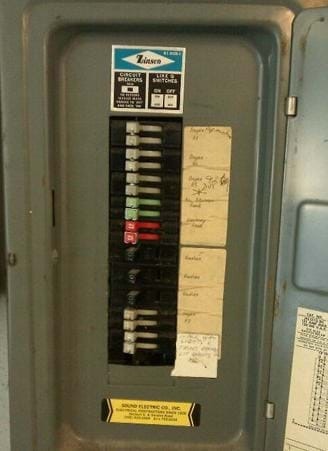
Security lighting must not journey breakers each time the garage door opens. When we do an electrical panel upgrade Orange County, we carve out dedicated outside lighting circuits with GFCI security and rise suppression. Numerous older panels are crowded. Panel replacement Orange County projects are chances to split circuits and label everything logically. If you are considering whole home rewiring Orange County or including a generator setup Orange County for backup, bring security lighting into the plan. A little critical-load panel keeps crucial outside lights alive during interruptions so you feel safe moving around.
Smart controls are likewise simpler when circuitry is thoughtful. Smart home electrical wiring Orange County can centralize photocells, tie lighting scenes to your alarm, and let you examine status from bed. We choose systems that keep basic operation regional so a cloud hiccup does not leave you in the dark. For businesses, low voltage wiring Orange County can bring network for cams and sensors while power runs in channel, avoiding interference and keeping upkeep clear.
When to call for aid, and how quick you should anticipate it
If an exterior breaker trips consistently, a GFCI will not reset, or you hear sizzling at a fixture, call an emergency electrician Orange County. Water inside a box can escalate fast. A 24 hr electrical contractor Orange County can a minimum of make the scenario safe at night and schedule a long-term fix. If a sensor or lamp fails and no security concern exists, a very same day electrician Orange County can often swap parts within hours.
Routine Orange County electrical repair on outside systems takes place frequently after landscaping modifications. New irrigation heads spray into fixtures, mulch gets packed over course lights, or a gardener cuts a buried cable television. These are solvable issues. A quick electrical troubleshooting Orange County see usually separates the concern and gets you back in shape.
Cost, timing, and what drives both
For a single-family home, a focused security lighting upgrade typically lands between $1,200 and $4,000, depending upon fixture count, trenching, and control complexity. Low voltage course lighting with a brand-new transformer and 8 to 12 components can be comparable. Include pole lights or long conduit runs, and costs rise appropriately. Commercial exteriors differ widely. A little workplace exterior with 4 wall packs may be $2,500 to $5,000. A medium lot with poles, trenching, and controls can run from the mid 5 figures up.
Timeline depends upon allowing and trenching. Simple residential tasks normally set up in one to 2 days, with a night aiming session. Commercial work with new circuits and poles takes longer, often one to three weeks consisting of inspection. Coordinate schedules if you prepare other upgrades like outlet setup Orange County for outdoor patio power, ceiling fan setup Orange County in a covered porch, or recessed lighting Orange County at eaves. A single mobilization saves cash and mess, which is how a budget friendly electrical expert Orange County keeps value high without cutting corners.
How to veterinarian an Orange County electrician for this work
Look for a licensed electrician Orange County with recent outside photos and referrals in your city. Ask how they adhere to Title 24 controls and what components have held up in your postal code. If they discuss BUG rankings and harmony ratios without you prompting, that is a great indication. Insurance coverage and employees' compensation must be easy to provide. For business sites, ensure your Orange County electrical contractor can produce a photometric plan if the city asks.
Searches for electrician near me Orange County will emerge many names. Filter for residential electrician Orange County if you are a property owner, and commercial electrician Orange County if you manage a home. The best electrician Orange County for your job will not always be the most affordable, but a top rated electrical contractor Orange County will validate every part number and control setting. If they likewise deal with EV battery charger setup Orange County or maintain your electrical lorry battery charger, even better. One point of contact simplifies service long term.
A few final field notes
- Cameras and lights are partners. Test them together after dark. A little change in angle can double the effectiveness of your footage.
- Keep plant life honest. Bougainvillea will swallow a path light in a season. Trim with lighting in mind.
- Wildlife sees happen. Protected, downcast fixtures regard night skies and keep moth swarms off your doors.
- Think upkeep. Choose fixtures with accessible drivers or replaceable LEDs when possible. Keep a log of model numbers and color temperature levels for painless replacements later.
Security lighting is among those upgrades you feel right away. The first night after a clean set up, you stroll outside without stress. The secrets find the lock. The side gate beings in soft light. The driveway looks calm on your phone at midnight. That is the outcome we deliver when style, product choice, and craftsmanship line up.
If your residential or commercial property needs that level of care, connect to a local electrical contractor Orange County who does more than hang components. Request for a night walk, a simple plan, and a clear scope. Whether you require lighting setup Orange County, outside lighting Orange County, or a more comprehensive plan that touches panels, electrical wiring, and controls, the right group will make your nights safer and quieter.